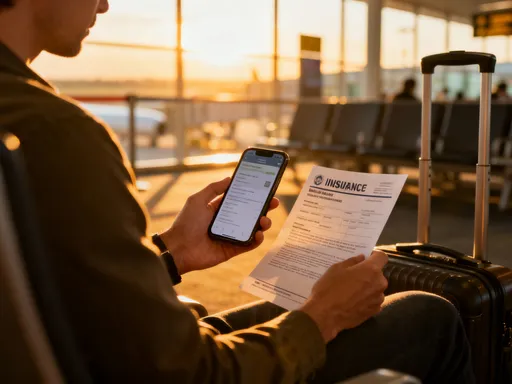
Why Smart Travelers Insure Their Trips—And How It Fits Your Bigger Money Plan
You’ve booked the trip of a lifetime—flights, hotels, even that guided safari—only to have it canceled by an unexpected illness. I’ve been there, and trust me, without travel insurance, it’s a financial nightmare. It’s not just about emergencies; it’s about protecting your hard-earned money. I used to think insurance was a waste—until I saw how it quietly became part of my overall financial strategy. What began as a last-minute add-on to a flight purchase turned into a cornerstone of smarter spending, especially as travel grew from occasional luxury to a meaningful part of annual expenses. Now, I view travel insurance not as an optional cost, but as a deliberate act of financial protection—one that aligns with broader goals like budget stability, risk management, and long-term confidence in spending.
The Hidden Cost of Skipping Travel Insurance
Many travelers assume that skipping travel insurance is a simple way to reduce upfront costs. After all, if everything goes smoothly, the premium feels like money lost. But this mindset overlooks the true financial risk of going unprotected. A single unexpected event—such as a sudden illness, severe weather, or airline strike—can trigger a chain reaction of expenses that far exceed the cost of a policy. Consider a family planning a two-week vacation to Europe, having paid $6,000 for non-refundable flights, accommodations, and guided tours. If a parent falls ill a week before departure, the entire trip may be canceled. Without coverage, those funds are gone. There is no partial refund, no credit for future use—just a complete loss.
Medical emergencies abroad pose another serious threat. While domestic health insurance may cover care at home, most plans offer limited or no benefits outside the country. A hospital stay for food poisoning in Southeast Asia or an injury during a hiking excursion in the Alps can result in bills exceeding $10,000. Without travel medical coverage, travelers must pay out of pocket, often in foreign currency and under time pressure. Even seemingly minor issues like missed connections can add up. A delayed flight might require an unplanned night in a hotel, last-minute meals, and rebooking fees. These incidental costs, though individually small, accumulate quickly and strain household budgets.
Lost or delayed luggage introduces another layer of financial stress. Essential items like medications, baby formula, or business attire may need immediate replacement. While airlines sometimes reimburse lost bags, the process is slow and often capped at a fraction of the actual value. Travel insurance typically includes baggage protection, offering faster reimbursement for necessary purchases. More importantly, it reduces emotional strain during an already disruptive experience. The real cost of skipping insurance, then, isn’t just monetary—it’s the loss of control, peace of mind, and financial predictability. For families managing tight budgets, a single uncovered incident can derail savings goals, delay home repairs, or postpone other planned expenses.
Perhaps the most overlooked consequence is the impact on long-term financial behavior. When travelers absorb unexpected losses repeatedly, they may become hesitant to plan future trips, even when financially able. This creates a cycle of avoidance rather than informed decision-making. Alternatively, some may continue traveling uninsured, gambling on good luck—a risky strategy that treats travel as disposable spending rather than a valued investment. By recognizing the hidden costs of going without coverage, families can shift from reactive damage control to proactive financial planning, ensuring that one setback doesn’t compromise months of careful budgeting.
Beyond Emergency Coverage: Insurance as a Financial Planning Tool
Travel insurance is often marketed as a solution for emergencies, but its role extends far beyond crisis response. When viewed through the lens of personal finance, it functions as a strategic tool for preserving value and maintaining financial balance. Just as homeowners insure their property and drivers protect their vehicles, travelers can safeguard their prepaid expenses with equal diligence. This shift in perspective—from seeing insurance as an add-on to treating it as an essential component of spending—transforms how families manage discretionary budgets.
One of the most powerful features of comprehensive travel insurance is trip cancellation and interruption coverage. These benefits protect non-refundable deposits, which can represent a significant portion of a family’s annual travel spending. For example, a couple who spends $8,000 on a destination wedding abroad has effectively made an investment in time, money, and emotional energy. If either partner loses their job before departure, a covered policy can reimburse the full cost, preventing a devastating financial blow. In this way, travel insurance acts like a stop-loss order in investing—it limits downside risk without requiring the traveler to abandon their plans altogether.
Moreover, the discipline of purchasing insurance consistently encourages a more thoughtful approach to spending. Each time a traveler evaluates whether to buy coverage, they are prompted to assess the financial exposure of the trip. This process fosters awareness of sunk costs, refund policies, and personal risk tolerance. Over time, this builds a habit of financial mindfulness, where every purchase is weighed not just by its immediate joy, but by its long-term implications. Families who adopt this mindset often find they make better decisions across other areas of spending, from dining out to holiday gifts.
Another benefit lies in the psychological security it provides. Knowing that a trip is protected allows travelers to relax, enjoy the experience, and avoid constant worry about potential disruptions. This peace of mind has measurable value, particularly for parents traveling with children or individuals managing chronic health conditions. Financial well-being is not only about numbers in a bank account—it also includes emotional stability and confidence in one’s choices. By integrating travel insurance into their financial routine, families create a buffer against uncertainty, reinforcing the idea that protection and enjoyment are not mutually exclusive.
Choosing the Right Policy: Matching Coverage to Your Travel Habits
Not all travel insurance policies are the same, and selecting the right one requires understanding both the trip and the traveler. A one-size-fits-all approach can lead to overpaying for unnecessary coverage or, worse, being underinsured when disaster strikes. The key is alignment—matching the policy to the specific risks associated with the destination, duration, and type of travel. For instance, a business traveler flying to a conference in Toronto faces different risks than a family embarking on a two-week safari in Kenya.
Basic plans typically cover trip cancellation, delay, and baggage loss, making them suitable for short, low-risk domestic trips. However, they often exclude medical emergencies abroad, pre-existing condition waivers, or adventure activities. For travelers with complex itineraries or health concerns, a comprehensive plan is essential. These policies include emergency medical evacuation, 24/7 assistance services, and coverage for trip interruption due to unforeseen events like natural disasters or political unrest. They may also offer “cancel for any reason” (CFAR) upgrades, which provide greater flexibility at a higher cost.
Families should pay close attention to medical coverage limits. A policy that offers only $50,000 in emergency medical benefits may fall short in countries with high healthcare costs, such as the United States or Switzerland. Opting for a plan with at least $100,000 to $500,000 in coverage ensures adequate protection without excessive premiums. Additionally, parents should verify whether children are automatically included or require separate enrollment. Some policies offer family plans that cover dependents at no extra cost, providing better value.
Adventure travelers need to confirm that their activities are covered. Standard policies often exclude high-risk pursuits like scuba diving, skiing, or zip-lining unless specifically added. Failing to disclose these plans can result in claim denials, even for unrelated incidents. Business travelers, on the other hand, may prioritize trip delay benefits to cover extended hotel stays or rescheduled meetings. Frequent flyers might benefit from annual multi-trip policies, which offer coverage for multiple journeys over 12 months at a lower per-trip cost than buying individual plans.
The goal is not to maximize coverage, but to optimize it—selecting only what is necessary and relevant. This requires reading policy details carefully, comparing benefits across providers, and avoiding assumptions based on marketing language. By taking the time to choose wisely, travelers ensure that their insurance supports their lifestyle without inflating their budget unnecessarily.
How Insurance Integrates with Broader Risk Management
Financial resilience depends on a layered approach to risk management, and travel insurance plays a distinct role within that structure. It does not replace health insurance, emergency savings, or credit card protections—but rather complements them. Each layer addresses different vulnerabilities, and together they form a cohesive defense against financial shocks. Travel insurance fills critical gaps, particularly when standard protections do not extend beyond national borders.
For example, most health insurance plans provide little to no coverage outside the home country. Medicare, widely used by older adults, explicitly excludes international care. Private health plans may offer limited emergency benefits, but they rarely cover medical evacuation, which can cost over $100,000 depending on distance and mode of transport. Travel insurance bridges this gap by including emergency medical and evacuation coverage as standard benefits. This is especially important for retirees traveling abroad or families visiting relatives in remote areas where local hospitals lack advanced care.
Emergency funds serve a similar protective function but are meant for broader, long-term stability. Draining savings to cover a $7,000 medical bill abroad undermines other financial goals, such as saving for a child’s education or home renovation. Travel insurance preserves these funds by covering specific, time-bound events. It allows families to maintain liquidity and avoid dipping into reserves meant for true emergencies, like job loss or home repairs.
Credit cards also offer some travel protections, such as trip delay reimbursement or rental car insurance. However, these benefits are often secondary, requiring the trip to be booked on the card and subject to strict documentation rules. They may not cover pre-existing conditions or provide 24/7 assistance. Relying solely on credit card perks can leave travelers exposed, especially on complex international trips. Travel insurance provides primary coverage, meaning it pays first without depending on other policies. This independence increases reliability and simplifies the claims process.
When integrated thoughtfully, travel insurance becomes part of a holistic financial strategy. It works alongside health coverage, emergency savings, and credit protections to create a safety net that is both comprehensive and efficient. Families who view their finances through this layered lens gain greater control, reduce reliance on luck, and build confidence in their ability to handle the unexpected.
Real Savings: Where Insurance Pays for Itself
One of the most persistent myths about travel insurance is that it’s a wasted expense if no claim is filed. While it’s true that not every policy results in a payout, the value lies in risk transfer—not guaranteed return. Yet, in many cases, insurance does pay for itself, sometimes multiple times over. The key is recognizing common scenarios where claims are not only possible but likely.
Weather-related disruptions are among the most frequent causes of claims. A winter storm grounding flights in Chicago can cancel connecting trips to the Caribbean. Without coverage, travelers face non-refundable hotel nights and missed excursions. With trip delay and interruption benefits, they can recover hundreds or thousands in lost costs. Airlines rarely compensate for these disruptions, leaving travelers to absorb the loss unless insured.
Illness—either personal or among close family members—is another leading reason for claims. A child’s sudden ear infection before a vacation or a parent’s hospitalization can force trip cancellation. Comprehensive policies cover these events, reimbursing prepaid expenses as long as a doctor provides documentation. The process is straightforward: file a claim within the required timeframe, submit medical records, and receive payment. For a $5,000 trip, a successful claim means full recovery of funds—an immediate five- to tenfold return on a $500 premium.
Lost or delayed luggage claims are smaller but equally valuable. Replacing essentials like clothing, toiletries, or medications can cost $200–$500. Insurance typically reimburses these within days, often without requiring receipts for basic items. Over multiple trips, these small recoveries add up, effectively reducing the net cost of coverage to zero or even negative.
To maximize success, travelers must understand claim requirements. Most policies require prompt notification, official documentation (such as a doctor’s note or airline delay report), and submission within 20–90 days of the incident. Keeping digital copies of all travel documents, medical records, and communication logs streamlines the process. Avoiding common mistakes—like failing to report delays immediately or not seeking pre-approval for medical care—ensures claims are approved. When used correctly, travel insurance is not a gamble; it’s a practical tool that delivers real financial returns when needed most.
Timing and Flexibility: When to Buy and When to Skip
The timing of purchasing travel insurance can significantly impact both coverage and cost. For maximum protection, the best time to buy is within 15–21 days of making the initial trip deposit. This window often qualifies travelers for valuable upgrades, such as “cancel for any reason” (CFAR) coverage or enhanced pre-existing condition waivers. These benefits are time-sensitive and unavailable if the policy is purchased later. Buying early also locks in coverage before any unforeseen events occur, ensuring that all prepaid expenses are protected from day one.
Conversely, waiting until the last minute limits options and increases risk. A traveler who waits until two weeks before departure may still get basic coverage, but they lose access to enhanced benefits. If they fall ill during the waiting period, the claim could be denied on the grounds that the condition existed before the policy started. Additionally, last-minute purchases often come with higher premiums due to increased perceived risk.
That said, there are situations where skipping insurance may be reasonable. Fully refundable bookings, for example, reduce financial exposure. If a traveler can cancel flights and hotels without penalty, the need for trip cancellation coverage diminishes. Similarly, low-cost domestic trips with minimal non-refundable expenses may not justify the premium. A weekend getaway costing $600 with flexible booking terms poses little risk compared to a $10,000 international cruise.
The decision should be intentional, not automatic. Each trip requires a quick risk assessment: How much is prepaid? Is it refundable? What are the health and safety conditions at the destination? Are there dependents involved? By answering these questions, travelers can make informed choices that align with their financial goals. This selective approach prevents overspending on unnecessary policies while ensuring protection when it matters most. Ultimately, timing and context transform insurance from a default purchase into a strategic financial decision.
Building a Smarter Travel Finance Mindset
The true value of travel insurance lies not in any single claim, but in the mindset it fosters. When families begin to see travel as a financial investment rather than just a leisure activity, they gain greater control over their spending. This shift encourages intentionality, planning, and long-term thinking—qualities that strengthen overall financial health. Just as reviewing monthly subscriptions or comparing grocery prices builds frugality, evaluating insurance needs for every trip builds financial discipline.
Over time, this practice becomes habitual. Travelers learn to ask critical questions before booking: What’s refundable? What’s at risk? What protections are already in place? This awareness extends beyond travel, influencing decisions about car rentals, event tickets, and even online purchases. The habit of assessing risk and seeking protection becomes second nature, reducing impulsive spending and increasing confidence in financial choices.
Moreover, integrating insurance into travel planning reinforces the idea that protection and enjoyment coexist. Families don’t have to choose between seeing the world and staying financially secure. With the right safeguards, they can do both. This balance is especially important for women managing household budgets, who often bear the responsibility of balancing family needs with financial limits. Knowing that a trip is protected allows them to say “yes” to experiences without guilt or fear.
In the broader context of personal finance, travel insurance is a small but meaningful step toward resilience. It teaches that every dollar spent carries risk, and that smart management involves preparing for the unexpected. By treating insurance not as an afterthought, but as a quiet, consistent habit, families build a foundation of stability that supports not just travel, but life’s many planned and unplanned journeys.