I didn’t know my neighbors could help so much: How a simple app changed my daily life
Ever felt disconnected from the people right next door? I used to wave politely, then retreat into my phone. But when a last-minute crisis hit—rain pouring, no umbrella, groceries in danger—I got a message from someone I’d never met: “I’ll grab them.” That moment changed everything. This isn’t about big tech or flashy features. It’s about real help, real people, and how one small app quietly made my neighborhood feel like home. In that instant, technology didn’t just solve a problem—it opened a door to something deeper: community, care, and the quiet comfort of knowing you’re not alone.
The Moment Everything Changed: A Rainy Day Rescue
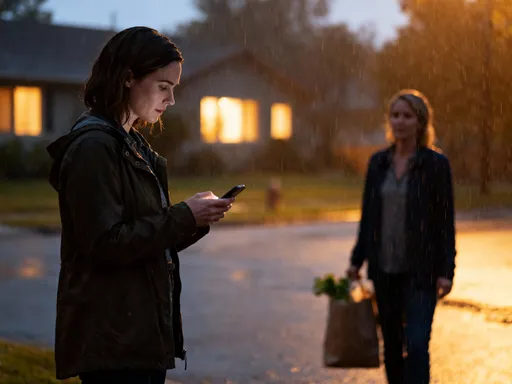
It was one of those days when everything seemed to go wrong at once. My son had a late soccer practice, my husband was stuck in traffic, and I was rushing home with two heavy bags of groceries. The sky turned dark fast, and within minutes, rain began to pour—cold, heavy drops that soaked through my jacket in seconds. I was standing under a flimsy awning outside the grocery store, juggling bags, phone, and a growing sense of panic. I couldn’t wait for the rain to stop. I had dinner to make, homework to help with, and now, a real fear that my groceries would be ruined.
Then my phone buzzed. Not from my husband or my mom—but from an app I’d downloaded weeks ago and mostly forgotten. The message read: “Saw your post—on my way to grab your bags. Stay dry!” I blinked. Who was this? I opened the app and saw a notification: “Linda from Oak Street is picking up your groceries.” I didn’t know Linda. I’d maybe seen her walking her dog once or twice. But there she was, pulling up in a small blue car, zipping into the store, and coming out with my bags safely stowed in her trunk. She even sent a photo: “Got the oat milk—don’t worry!”
That moment didn’t just save my groceries. It changed how I saw my neighborhood. Before, it was just houses, lawns, and people I passed without really seeing. Now, it felt alive—connected. The app wasn’t magic, but it made something possible that had been missing: real, timely help from someone nearby who cared enough to act. It wasn’t a grand gesture. It was simple, human, and deeply meaningful. And it made me wonder—what else could this little tool do?
From Strangers to Support System: Redefining Community
Let’s be honest—most of us live near people we don’t know. We see the same faces, wave, maybe exchange a “nice weather” comment, but that’s it. And that’s not just my experience. Studies show that nearly half of Americans say they don’t know most of their neighbors. In cities, it’s even more common. We’re surrounded by people, yet so many of us feel isolated. I remember when I first moved into this house, I hoped for that kind of close-knit community—where someone brings you soup when you’re sick, or watches your kids when you’re running late. But life got busy, and those connections never formed.
Then I downloaded the neighborhood app, and slowly, things began to shift. I started seeing posts that felt deeply human: “Need a baby carrier for a weekend trip—anyone have one to lend?” or “Can someone pick up my mom’s prescription? She’s not feeling well.” These weren’t big asks, but they mattered. And the responses were quick, kind, and without hesitation. I began to realize that help was already here—it just needed a way to be seen and shared.
One night, I saw a post from a woman named Maria: “New in the neighborhood, and my stove broke. Any tips on temporary cooking solutions?” Within minutes, people responded. “Use a hot plate—I have an extra!” “I can lend you a slow cooker.” “Come eat with us tonight—no need to stress.” That moment hit me. This wasn’t just about tools or food. It was about belonging. The app wasn’t creating community out of nothing—it was uncovering the care that was already there, buried under the routines of modern life. We weren’t strangers anymore. We were neighbors, quietly looking out for one another.
How It Works: No Tech Skills Needed
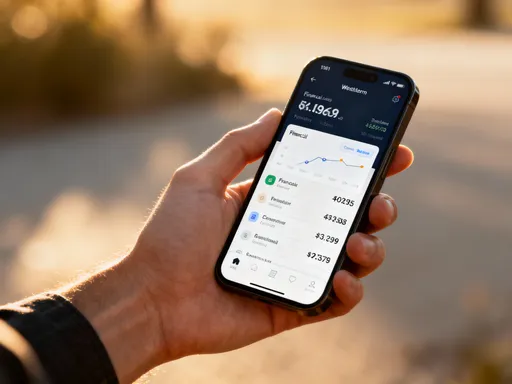
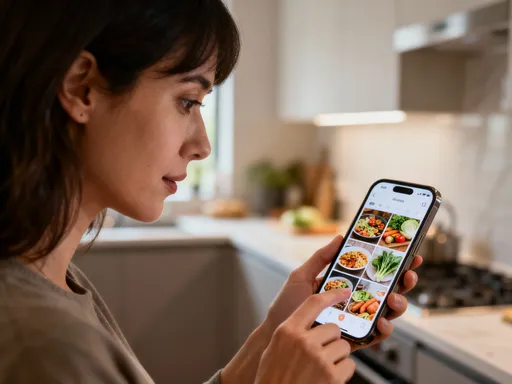
I’ll admit, when I first heard about the app, I thought, “Here we go—another thing to learn, another screen to stare at.” I’m not tech-obsessed. I use my phone for calls, texts, and the occasional recipe search. But what surprised me was how simple it was. Signing up took less than five minutes. I entered my address, chose a photo (I used one of my garden), and that was it. No complex setup, no confusing menus. The app felt like texting—familiar, easy, and calm.
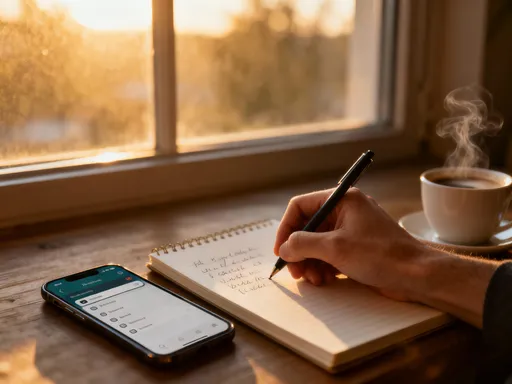
Posting a request is just as simple. Let’s say you need help. You tap the “Ask for Help” button, type a quick message—like “Can anyone lend a snow shovel? First big storm coming!”—and hit send. The app shows your post to neighbors within a set distance, so you’re not broadcasting to the whole city. People who can help respond directly through the app, just like a text. No phone numbers shared unless you choose to. No pressure. No awkwardness. I once needed someone to collect my package while I was at the doctor’s. I posted, got three replies in ten minutes, and chose the one who was already heading out. It felt effortless.
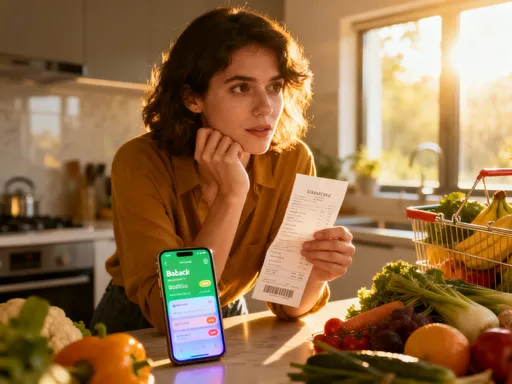
But it’s not just about asking. You can also offer help. I started small—“I have extra zucchini from my garden—any takers?” Got six replies! Then I offered to water a neighbor’s plants while they were away. Then I volunteered to pick up a few extra groceries for someone recovering from surgery. Each time, the app made it easy to say, “I’m here.” And the best part? No tech jargon, no learning curve. My mom, who still calls Wi-Fi “the invisible internet,” uses it now too. If she can do it, anyone can.
More Than Favors: Building Trust One Request at a Time
Here’s what I didn’t expect: the app didn’t just make life easier—it made me feel more connected. At first, I thought it was just a tool for small favors. But over time, I noticed something deeper happening. When I returned a borrowed ladder, the neighbor said, “Thanks—means a lot.” When I checked on an elderly woman during a power outage, she hugged me and said, “I felt so much safer knowing someone was nearby.” These weren’t transactions. They were moments of trust.
Psychologists talk about “micro-connections”—small, everyday interactions that build a sense of belonging. That’s what this app creates. Each time someone helps, or is helped, a tiny thread of trust is woven. It’s not forced. No one’s required to participate. But when you see your neighbor pick up your groceries, or lend their kid’s bike to another family, it changes how you see them. They’re not just the person with the noisy dog or the overgrown lawn. They’re someone who shows up.
I’ve noticed a shift in myself, too. I used to feel anxious about asking for help—like it made me weak or bothersome. But the app normalized it. Asking for help isn’t a burden here. It’s an invitation to connect. And returning favors feels good, not like an obligation. One neighbor brought me soup when I was sick. A week later, I brought her cookies. We laughed and said, “We’re building a kindness economy.” But it’s more than that. It’s about creating a neighborhood where people feel seen, valued, and safe.
Coordinating Care Without the Chaos
Life is busy. When someone in the neighborhood needs real support—like after a surgery or during a family crisis—organizing help can be overwhelming. I remember when my friend Sarah had her baby. She needed meals, rides, and someone to walk her dog. Before the app, we would’ve used group texts, missed messages, and last-minute cancellations. It was chaotic. But this time, we used the app’s group feature. I created a “Support Sarah” group, and neighbors signed up for specific days and tasks. One person brought soup on Tuesday. Another walked the dog on Thursday. Someone else offered to babysit so she could nap.
The app kept everything organized. No more double-booking or confusion. We used the shared calendar to track who was doing what. Tasks were marked complete with a simple tap. And because the app sent gentle reminders, no one forgot. Sarah later told me, “I didn’t feel like a burden. I felt loved.” That stuck with me. The app didn’t replace human care—it made it easier to give and receive.
Another example: when Mr. Thompson, an older neighbor, fell and broke his hip, his daughter used the app to coordinate help while she flew in from another state. Neighbors signed up to bring meals, check on him, and even sit with him so he wasn’t alone. The app didn’t fix his injury, but it eased the stress of recovery. It turned a crisis into a moment of community strength. And the best part? No one had to be the “organizer.” The app did the heavy lifting, so we could focus on what really mattered—being there for each other.
Quiet Confidence: Feeling Safer in Your Own Neighborhood
There’s a quiet confidence that comes from knowing help is close. Before, I’d worry—what if my car breaks down? What if my kids get home before I do? What if a storm knocks out the power? Now, I don’t panic. I know I can send a quick message and someone nearby will respond. It’s not that I rely on others for everything—I still value independence. But now, I don’t have to be strong all the time. It’s okay to lean on people. And that’s a powerful feeling.
Parents especially feel this. One mom told me, “When my daughter lost her asthma inhaler at the park, I posted. Two neighbors responded—one had an extra, and another came to help search.” Another said, “When my son locked himself out, a neighbor let him wait in her house until I got home. I cried with relief.” These aren’t emergency services. They’re ordinary people doing ordinary kindnesses that make an extraordinary difference.
Newcomers feel it too. A woman who moved here last year said, “I was so nervous at first. But my first week, I posted that I needed a toolbox. Three people offered. One even came over to help fix my shelf. I felt welcome in a way I didn’t expect.” That’s the power of the app—it doesn’t just solve problems. It builds belonging. It turns a neighborhood into a network of care, where safety isn’t just about locks and alarms, but about knowing real people have your back.
A Smarter, Kinder Way to Live: Why This Matters Beyond Convenience
When we think about technology, we often focus on speed, efficiency, or entertainment. But what if tech could also make us kinder? What if it could help us reconnect in a world that often feels disconnected? That’s what this app has done for me and my neighborhood. It’s not flashy. It doesn’t track my steps or analyze my habits. It simply helps people help each other. And in doing so, it restores something precious—human connection.
I’ve started to see progress differently. It isn’t just about faster internet or smarter homes. Real progress is when a single mom gets a meal because someone noticed her post. When an older neighbor feels less alone because someone checks in. When a family integrates faster because people reach out. These moments don’t make headlines, but they change lives.
The app hasn’t fixed everything. We still have busy schedules, misunderstandings, and the usual challenges of life. But now, there’s a quiet hum of care beneath it all. We’re not waiting for someone else to build community. We’re doing it, one small act at a time. And the most beautiful part? It’s not about grand gestures. It’s in the little things—returning a borrowed pot, sharing extra tomatoes, saying “I’ve got you.”
So if you’ve ever looked around and wondered, “Does anyone here care?”—try opening the app. Post a simple request. Offer a small help. You might be surprised by who responds. Because the truth is, care is already here. It’s in the people next door. We just needed a way to see it, share it, and grow it. And sometimes, all it takes is one tap to feel at home.