Tired of hitting snooze and rushing your morning? How voice assistants help you wake up refreshed and on time
Ever hit snooze one too many times, only to start your day stressed and scrambling? You're not alone. The truth is, your morning routine might not be the problem—your sleep schedule could be. With smart voice assistants quietly learning your habits, they’re no longer just for playing music or setting timers. They can now guide you toward better sleep, gentle wake-ups, and a calmer morning rhythm. Let’s explore how this simple tech, already in your home, can help you feel more rested, focused, and in control—one night at a time.
The Morning Struggle Is Real
Picture this: the alarm blares at 6:30 a.m. You slap it silent without opening your eyes. Fifteen minutes later, it rings again. And again. By the third time, your heart’s racing, your head feels heavy, and you’re already behind. Sound familiar? This isn’t just about being tired—it’s about how we’ve trained ourselves to start every day in survival mode. You rush to get the kids ready, spill coffee on your blouse, forget your lunch, and drive to work already overwhelmed. The truth is, that frantic morning energy doesn’t come from too much to do—it comes from not enough rest, and worse, rest that’s out of sync with your body’s natural rhythm.
I used to live this way. I’d tell myself I was a ‘night person,’ that mornings just weren’t my thing. But the reality was, I was going to bed at different times every night—sometimes 10 p.m., sometimes past midnight—and expecting my body to wake up bright-eyed at 6:45 like nothing had changed. No wonder I felt like a zombie. What I didn’t realize then was that my brain wasn’t resisting the day—it was reacting to years of inconsistent sleep. And the alarm clock? It wasn’t helping. It was just another jolt, another shock to a system already struggling to reboot.
That’s when I started wondering—what if the solution wasn’t another app, another strict rule, or another cup of coffee? What if the help I needed was already in the room, quietly listening? I’m talking about the voice assistant on my nightstand. You know, the one I used to ask for the weather or play lullabies for the kids. I realized it could do more. Much more. It wasn’t just a gadget. It could be a partner in building a calmer, more grounded version of my mornings—and my life.
Meet Your New Sleep Coach: The Voice Assistant in Your Home
Let’s be honest—when we think of voice assistants, we usually picture them doing small tasks: turning on lights, setting timers, or answering random questions like, “How many tablespoons in a cup?” But what if I told you that device could become your most consistent sleep coach? Not a strict one with a clipboard, but a gentle, always-there presence that learns your rhythm and helps you fall into better habits—without judgment or pressure.
Devices like Alexa, Google Assistant, or Siri have evolved far beyond basic commands. They’re designed to adapt to your daily patterns. And when it comes to sleep, that’s a game-changer. Think about it: your body thrives on routine. Going to bed and waking up around the same time every day—even on weekends—helps regulate your internal clock, also known as your circadian rhythm. But keeping that routine manually? Nearly impossible when life gets busy. That’s where your voice assistant steps in. It doesn’t get distracted. It doesn’t forget. It’s there, night after night, ready to guide you back to calm.
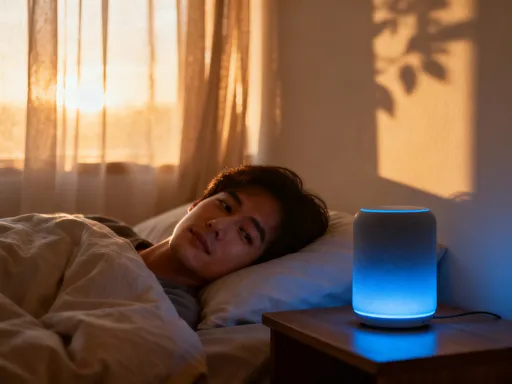
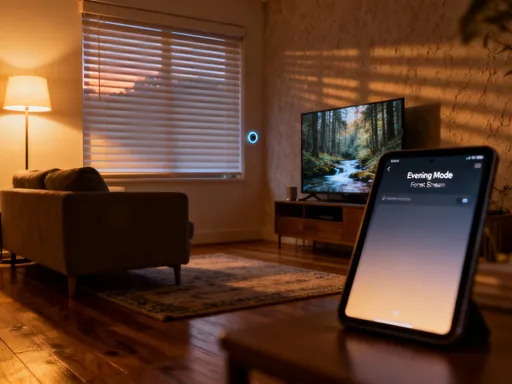
Here’s how it works in real life: you set up a simple bedtime routine. At 9:30 p.m., your assistant says, “It’s almost time to wind down. Would you like me to play some soft music or nature sounds?” You say yes, and within seconds, the sound of rain begins to fill the room. Lights dim automatically. The TV turns off. No effort on your part—just a small, supportive nudge. Over time, your brain starts to associate that voice, that sound, that dimming light with the signal to relax. It’s not magic. It’s consistency with kindness.
And the best part? You don’t need a smartwatch, a sleep tracker, or a complicated app. Your voice assistant uses simple cues—your voice, your schedule, your habits—to help you build better ones. It’s like having a friend who gently reminds you, “Hey, it’s time to take care of you.” And that kind of support? That’s priceless when you’re trying to change the way you start your day.
How It Works: From Bedtime Reminders to Smart Wake-Up Calls
So, how does this actually play out in your home? Let’s walk through a real evening and morning. It starts with intention—but not the kind that feels like a chore. At 9:15 p.m., your voice assistant chimes in: “Good evening. Based on your schedule tomorrow, it’s a good time to start winding down.” You can respond with a simple, “Okay, Alexa, start bedtime routine.” And just like that, a sequence begins: the lights in your bedroom fade to 30 percent, calming music plays at a low volume, and a warm, soft voice says, “You’ve had a long day. Let’s take five deep breaths together.”
Now, this isn’t science fiction. These routines are built into most voice assistants and take less than ten minutes to set up. You choose the time, the sounds, the lights, even the tone of voice. Want a British accent to read you a short meditation? Done. Prefer ocean waves and a lower volume? Easy. The power is in the personalization. And the more you use it, the more your assistant learns. If you usually say “goodnight” at 10:00, it might start reminding you at 9:40. It’s not pushy—it’s thoughtful.
But the real magic happens in the morning. Instead of a jarring beep, your wake-up call can be soft and gradual. You can set a “sleep phase” alarm that uses your average sleep cycle to wake you during a lighter stage of sleep—usually within a 30-minute window of your set time. So if you set it for 6:45, it might wake you at 6:38 if you’re in a lighter sleep phase. You won’t feel groggy. You’ll feel… ready.
And the greeting? That can be warm and encouraging. “Good morning, Sarah. It’s 6:38. The weather is clear, and you have a great day ahead. Would you like to hear your schedule or start with a quick stretch?” That voice isn’t demanding. It’s inviting. It helps you transition from sleep to wakefulness with care, not chaos. One mom I spoke with told me, “I used to dread mornings. Now, when I hear that voice, it feels like someone’s already on my side. It changes everything.”
Building a Routine That Sticks—With Help from AI
We all know that starting a new habit is hard. Sticking with it? Even harder. That’s why so many of us give up on sleep goals after a few days. We set a bedtime, but then the show gets interesting, or the laundry isn’t done, or the kids need one more thing. Life happens. And when we break the routine, we feel guilty. We think we’ve failed. But here’s what I’ve learned: sustainability isn’t about perfection. It’s about support. And that’s exactly what voice assistants offer.
Think of your device as a quiet partner in habit-building. It doesn’t shame you for staying up late. Instead, it gently helps you get back on track. Missed your bedtime routine last night? The next evening, it might say, “I noticed you went to bed later last night. Want to try winding down a little earlier tonight?” It’s not scolding—it’s noticing. And that kind of awareness, without judgment, makes all the difference.
Over time, these small interactions build momentum. You start to look forward to that evening voice, that soft music, that moment of calm. You begin to protect that time because it feels good. And when you wake up more easily in the morning, you feel proud. You think, “I did that. I showed up for myself.” That’s the real win—not just better sleep, but the quiet confidence that comes from keeping a promise to yourself.
And the beauty of AI is that it adapts. If you travel, it adjusts to new time zones. If you have an early meeting, you can say, “Wake me up at 5:30 tomorrow,” and it will shift your entire bedtime routine accordingly. It’s not rigid. It’s flexible, just like life. That’s why so many women I’ve talked to say this tech has been a lifeline—not because it’s flashy, but because it’s reliable. It shows up every night, ready to help, without asking for anything in return.
Fitness Starts at Bedtime—Linking Sleep to Morning Workouts
Let’s talk about energy. You can have the best workout plan, the cutest activewear, and a fully charged fitness tracker—but if you’re exhausted, none of it matters. Motivation doesn’t come from willpower. It comes from rest. And when you sleep well, everything else becomes easier. Getting up for a morning walk, doing a quick yoga session, or even just stretching before the day begins—these small acts of movement feel possible when you’re not fighting fatigue.
Here’s how your voice assistant can bridge the gap between sleep and fitness. You can link your goals so that after a good night’s sleep, your morning greeting includes a gentle fitness nudge: “Good morning! You got eight hours of rest—great job. Ready to start the day with a 10-minute stretch?” Or, if you’ve set a goal to walk 30 minutes today, it might say, “It’s a beautiful morning for a walk. I’ve mapped a quiet route near your home—want to hear it?”
One woman shared with me how this changed her fitness journey. “I used to skip workouts because I was too tired. Now, my assistant reminds me the night before: ‘Tomorrow’s a workout morning. I’ll have your playlist ready at 6:15.’ Just knowing it’s there, waiting for me, makes me more likely to follow through. And when I do, I say, ‘I completed my morning walk,’ and it logs it. It feels like someone’s cheering me on.”
This isn’t about pressure. It’s about connection. When your sleep supports your energy, and your energy supports your movement, and your movement makes you feel strong—that’s a cycle worth building. And your voice assistant? It’s the quiet thread that ties it all together.
Making It Personal: Customizing for You and Your Household
No two households are the same. In my home, my teenager likes to stay up late, my husband wakes up at 5:00 for work, and I’m somewhere in the middle. The last thing I wanted was one-size-fits-all alarms blaring through the house. But here’s the good news: modern voice assistants are smart enough to handle that. With voice profiles, each person can have their own routine, their own wake-up time, their own music—even their own nickname for the device.
For example, when my daughter says, “Goodnight, Google,” it triggers her routine: dim lights, calming playlist, and a reminder to charge her phone outside her room. When my husband says, “I’m up,” at 5:00 a.m., only his bedroom lights turn on, and the coffee maker starts—quietly, so the rest of us can keep sleeping. And for me? I have a morning meditation built in, and my schedule read out in a calm voice. The device knows who’s speaking and responds accordingly. It’s not confusing. It’s considerate.
Privacy is also built in. Each voice profile is secure, and you control what data is stored. You can delete voice recordings anytime. And because everything is voice-activated, there’s no need for everyone to be on the same app or share passwords. It’s simple, safe, and tailored to real family life.
One thing I love is how it helps teens, who often struggle with sleep, without feeling like surveillance. A simple reminder like, “It’s 10:30—time to power down for better sleep,” feels less like a parent nagging and more like a friendly tip from a tech-savvy friend. And when they start feeling more alert in the morning, they notice the difference too.
Waking Up to a Calmer, More Confident You
At the end of the day, this isn’t really about technology. It’s about how we feel when we wake up. Do we feel defeated before we’ve even started? Or do we feel capable, calm, and ready? The small changes we make at bedtime ripple through every part of our day. Better sleep means clearer thinking, more patience with the kids, better focus at work, and even more joy in simple moments—like sipping tea in silence or watching the sunrise.
And here’s what surprised me most: when I started sleeping better, I started believing in myself more. I wasn’t just less tired—I was more present. I made better choices. I felt like I was showing up as the woman I wanted to be, not just the one running on fumes. That shift didn’t happen overnight. It grew from hundreds of small, supported moments—a gentle reminder, a soft wake-up, a quiet moment of calm.
Your voice assistant won’t solve every challenge. But it can help you build a foundation—one where rest is valued, routines are kind, and mornings don’t feel like a battle. It’s not about perfection. It’s about progress. It’s about creating a home that supports you, not one that drains you.
So tonight, try something simple. Say “goodnight” to your device and let it guide you through a wind-down routine. See how it feels to be reminded to breathe, to slow down, to care for yourself. And tomorrow morning, when you wake up to a soft voice instead of a blaring alarm, notice the difference. That small change? It might just be the beginning of a calmer, more confident you.