What If Your Next Video Tutorial Could Teach You How to Work Better With Others?
Have you ever followed a step-by-step video guide, mastered the skill, yet still felt stuck when trying to apply it with a team? You’re not alone. Many of us learn in isolation, but real growth happens through collaboration. What if the tools we already use to learn—video tutorial platforms—could do more than just show us *how* to do something? What if they could also help us learn how to work better *with* others? Imagine watching a simple how-to video not just to pick up a new recipe or fix a wobbly shelf, but to actually strengthen the way you communicate, share ideas, and support each other in everyday life. That’s not science fiction—it’s already happening, quietly and beautifully, in homes, kitchens, home offices, and community groups.
The Hidden Gap in Online Learning: Skills vs. Collaboration
Think about the last time you learned something new from a video. Maybe it was how to organize your pantry, edit a photo, or set up a printer. You clicked play, followed along, and by the end, you felt proud—you did it! But then came the real test: doing it together with someone else. Suddenly, the confidence you felt alone didn’t quite translate. You might have said, “But the video showed it this way!” while your partner replied, “I thought we were supposed to do it like this.” Sound familiar? That moment—small as it seems—reveals a quiet but powerful gap in how we learn today. Most online tutorials are built for solo learners. They focus on individual mastery, not teamwork. And yet, so much of life happens in collaboration: planning meals with your family, tackling home repairs with your spouse, or working on a project with your coworkers. We’re taught how to *do*, but not always how to *do it together*.
This gap isn’t just about miscommunication. It’s about missed opportunities. When we only learn in isolation, we miss the chance to practice patience, to listen deeply, to negotiate differences, and to celebrate progress as a team. These are not soft skills—they’re essential life skills. And the truth is, many of us weren’t taught how to develop them in school or at work. We’re expected to just “figure it out.” But what if learning platforms could help? What if the same videos we turn to for practical help could also guide us in building stronger, more connected relationships? That shift—from learning alone to learning together—is not only possible, it’s already beginning.
How Video Platforms Are Quietly Evolving Into Team Coaches
You might not have noticed it yet, but the video platforms you already use are quietly growing up. They’re no longer just places to watch and learn by yourself. Behind the scenes, simple but meaningful features are turning passive viewers into active partners. Think about shared playlists—those collections of videos you save for later. Now imagine creating one with your partner: “Weeknight Dinners Made Easy” or “DIY Home Fixes We Can Try Together.” That simple act of curating content side by side sets the stage for joint learning. Or consider collaborative commenting, where you and a friend can drop notes at specific moments in a video—“Pause here!” or “This step confused me.” These aren’t flashy upgrades, but they create space for dialogue, for asking questions, for staying on the same page.
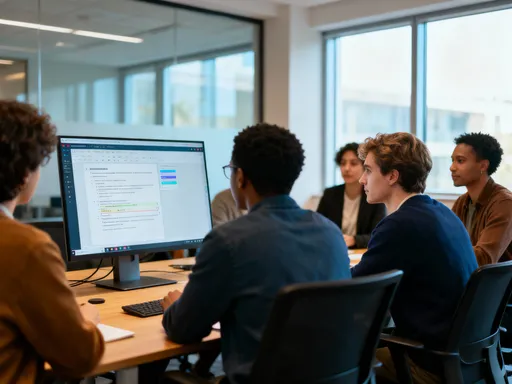
And then there are watch-party modes—yes, the same ones used for movie nights—are now being used for learning. Picture this: you and two coworkers are preparing for a presentation. Instead of each watching the tutorial separately and hoping you all remember the same details, you hit play together in a shared window. You pause at key moments, laugh at the same awkward demo, and clarify points in real time. No email chains, no confusion. Just shared understanding. Or imagine a mom and her teenage daughter watching a video on stress management techniques before a big exam. They’re not just learning breathing exercises—they’re learning how to support each other. The technology isn’t shouting its capabilities. It’s whispering them. And in that whisper, there’s a quiet revolution: video platforms are becoming team coaches, not just skill instructors.
Learning Side by Side: The Power of Shared Viewing
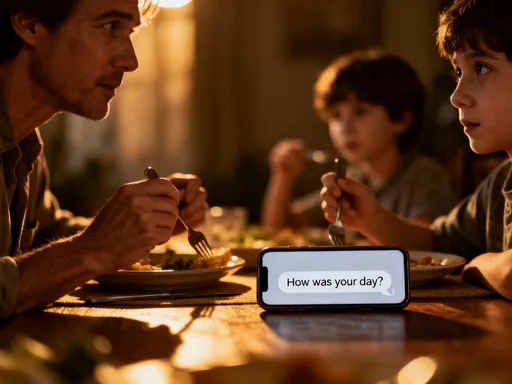
There’s something deeply human about watching something together. It’s not just about seeing the same images—it’s about experiencing them at the same time, in the same emotional rhythm. When two or more people watch a tutorial with intention, something shifts. You’re no longer just absorbing information; you’re building a shared language. That common reference point becomes a bridge. Later, when you’re in the kitchen trying to fold dumplings for the first time, you can say, “Remember how she did it in the video?” and your partner nods, because they *do* remember. That small moment of alignment reduces frustration and builds connection.
I spoke with a couple who started watching home repair videos together every Sunday morning with coffee. At first, it was just practical—they needed to fix a leaky faucet. But over time, it became something more. “We started noticing how we each pay attention to different things,” the wife shared. “I focus on the tools, he focuses on the sequence. Neither of us sees the whole picture alone, but together, we’ve got it.” That’s the magic of shared viewing: it reveals how we think, how we process information, and how we solve problems. And in that awareness, we learn to listen better, to ask better questions, to give feedback without judgment. It’s low-pressure teamwork in its purest form. No deadlines, no performance reviews—just two people learning, side by side, how to do something *and* how to do it together.
From “I Can Do This” to “We Can Do This”
There’s a quiet transformation that happens when learning becomes a shared ritual. It starts with a shift in mindset—from “I can do this” to “We can do this.” That may sound like a small change in words, but it carries enormous emotional weight. The first phrase is about independence. The second is about interdependence. And that’s where real strength lies. Think about it: when you learn alone, success feels personal. But when you learn with someone else, success becomes relational. You’re not just proud of what you did—you’re proud of how you did it *together*.
This shift doesn’t happen overnight. But with repeated experiences—cooking a new recipe with your teenager, learning a budgeting tool with your spouse, mastering a new app with your coworker—something begins to change. You start to trust the process of collaboration a little more. You become more patient when someone doesn’t get it right away, because you remember how you once struggled too. You’re more willing to let someone take the lead, even if it’s not your way. These aren’t grand gestures—they’re small, daily acts of humility and trust. And over time, they build a culture of teamwork in your home, your relationships, your workplace. The video tutorial isn’t the hero here. It’s the catalyst. It gives you a neutral, low-stakes way to practice working together, without the pressure of real-world consequences. And in that safe space, confidence grows—not just in the skill, but in each other.
Practical Ways to Turn Tutorials Into Team Training
You don’t need a fancy platform or a big time commitment to start turning tutorials into team training. It’s about intention, not perfection. Start small. Before you hit play, take a minute to talk. Set a shared goal: “Let’s watch this so we can both feel confident changing the air filter.” That simple step aligns your purpose. Then, during the video, try assigning roles. One person can be the note-taker, jotting down key steps. Another can be the question-asker, pausing to say, “Wait, what did she mean by that?” This keeps both people engaged and turns passive watching into active learning. Afterward, spend two minutes checking in: “What part felt tricky? What would we do differently next time?”
These habits take almost no extra time, but they make a big difference. I know a mom who watches a 10-minute organization video every Friday with her 12-year-old. They call it their “Home HQ Meeting.” They don’t always do the task right away, but they always talk about it. “It’s not really about the closet,” she told me. “It’s about us learning how to plan, how to listen, how to finish something together.” You can do this with a partner, a sibling, a coworker—anyone you work or live with. The key is consistency. Make it a ritual, not a chore. And remember: it’s not about getting everything right. It’s about showing up, learning together, and building the habit of collaboration, one video at a time.
Building Emotional Connection Through Shared Progress
Here’s something no one tells you about learning with others: the small wins feel bigger. When you finally assemble that bookshelf without arguing, when you both nail the folding technique for those burritos, when you successfully set up the family calendar app—those moments spark joy. And more than that, they spark connection. You look at each other and say, “We did it!” That shared celebration, even for something small, builds trust. It says, “We can figure things out. We can count on each other.”
Over time, these moments accumulate. They become part of your story. “Remember when we couldn’t even plug in the coffee maker?” becomes a family joke. “That time we watched the video three times before getting the Wi-Fi to work” becomes a badge of resilience. These aren’t just memories—they’re emotional landmarks. They remind you that you’ve grown, not just as individuals, but as a team. And the video platform? It becomes more than a tool. It becomes a witness to your progress, a digital scrapbook of shared effort and mutual support. In a world that often pulls us in different directions, these moments of unity matter. They ground us. They remind us that we’re not alone in figuring things out.
The Future of Learning: Platforms That Understand We’re Not Alone
What if the next generation of learning platforms was designed with collaboration at its core? Imagine a video tutorial site that doesn’t just recommend videos based on your search history, but suggests ones your partner or coworker might find helpful too. Or one that lets you create team challenges: “Let’s both watch this time-management video and try the technique this week.” Picture a progress tracker that shows not just how many videos you’ve watched, but how many you’ve watched *together*. Or a feature that invites joint feedback: “What did you both learn? How will you apply it?” These aren’t far-fetched ideas. They’re the natural next step in a world where connection matters more than ever.
The truth is, we don’t grow in isolation. Our most meaningful progress—whether in our homes, our relationships, or our careers—happens in partnership. And the tools we use to learn should reflect that. The most powerful skill we can develop isn’t just knowing how to do something. It’s knowing how to do it *with* someone else. It’s about listening, adapting, supporting, and growing together. So the next time you click play on a tutorial, ask yourself: could this be a moment of connection? Could this be a chance to not just learn a skill, but to strengthen a relationship? Because the right video, watched at the right time with the right person, isn’t just a lesson. It’s an invitation—to collaborate, to understand, and to grow, side by side.