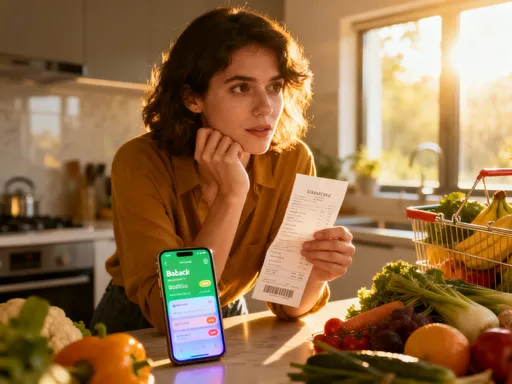
I kept missing flash sales—this notification trick finally saved my shopping sanity
We’ve all been there—rushing to click “buy” only to see “sold out” stare back. Or worse, realizing a week later that the 70% off deal you swore to catch slipped through your fingers. In our always-on digital world, shopping isn’t just about choice; it’s about timing. And if your phone keeps distracting you with random alerts while letting important ones vanish, you’re not alone. I used to lose deals—and peace of mind—until I rethought how I manage notifications. It wasn’t about turning them off. It was about making them work *for* me, not against me. What started as a small tweak turned into a total shift in how I experience daily life. My phone stopped feeling like a source of stress and started feeling like a quiet helper, reminding me at just the right moment. And honestly? I haven’t missed a single flash sale since.
The Hidden Cost of Noisy Phones: How Notifications Hijack Your Shopping Moments
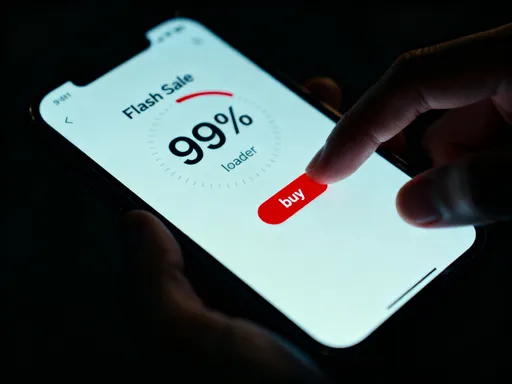
Picture this: it’s 8 p.m., the kids are finally asleep, and you’ve carved out ten precious minutes to treat yourself. You open your favorite fashion app, eyes lighting up at the new arrivals. You add a pair of boots to your cart—on sale for 60% off, no less—and go to grab your wallet. But then, *ping*—a group text from your cousin about weekend plans. You reply quickly, thinking it’ll just take a second. By the time you return, the boots are gone. “Sold out.” Just like that.
This isn’t just bad luck. It’s a pattern. And if it keeps happening, it’s not because you’re disorganized or slow. It’s because your phone is working against you. Most of us carry around a device that’s constantly pulling us in ten different directions. Social media alerts, weather updates, app reminders for things we don’t even use—our phones are loud, and they’re trained to grab our attention at the worst possible moments. The real cost? Missed opportunities, yes. But deeper than that—lost confidence. You start to wonder: *Am I just bad at this?* Why does everyone else seem to snag those deals?
The truth is, it’s not about being quick or tech-savvy. It’s about control. Every time a random notification yanks you away from something important, it chips away at your sense of calm. You begin to dread opening shopping apps, not because you don’t love finding a good deal, but because you’ve been burned too many times. That little “sold out” message becomes a tiny symbol of frustration, regret, and even self-doubt. But here’s the good news: you don’t have to live like this. You don’t have to choose between staying informed and staying sane. What if your phone could actually help you win those races instead of tripping you at the starting line?
Why “Do Not Disturb” Isn’t Enough—And What to Do Instead
When things get overwhelming, most of us reach for the same solution: “Do Not Disturb.” We turn it on during dinner, during meetings, during bedtime. And sure, it helps. For a while. But then comes the downside: silence cuts both ways. You block the noise, yes—but you also block the signal. I learned this the hard way. Last summer, my favorite skincare brand sent out a 24-hour-only coupon code. It was supposed to go live at 6 p.m. I had set my phone to silent for family dinner and forgot to turn it back. By the time I remembered, the sale had ended. I felt like I’d let myself down.
The problem with “Do Not Disturb” is that it’s too broad. It’s like turning off all the lights in the house because one bulb is flickering. Sure, the flicker is gone—but now you can’t see anything. The same goes for notifications. When we silence everything, we lose the ability to distinguish between what matters and what doesn’t. And in the world of flash sales, timing is everything. A two-minute delay can mean the difference between saving $80 and missing out completely.
So what’s the alternative? Selective prioritization. This means teaching your phone to treat certain alerts like VIP guests—letting them through even when everything else is quiet. Think of it like having a doorman at a party. Most people get turned away, but your closest friends? They get waved right in. On your phone, this means allowing specific shopping apps to bypass your general silence settings. You still get peace during dinner, but if your favorite store drops a surprise sale, you’ll know about it immediately. No more guessing. No more regret. Just smart, intentional alerts that work with your life instead of against it.
The Smart Filter: Turning Your Phone into a Personal Shopping Assistant
Here’s where things get exciting. You don’t need a new phone, a fancy app, or a tech degree to make this happen. Everything you need is already built into your device. I remember the first time I changed my notification settings—honestly, I expected it to be complicated. I thought I’d have to download something or mess with advanced menus. But it took less than three minutes. I went into Settings, tapped Notifications, found the app for my favorite department store, and flipped one switch: “Allow Notifications.” Then, under that, I turned on “Persistent Banner” and “Badge App Icon.” I even picked a unique alert sound—something soft but noticeable, like a gentle chime.
Now, when a sale goes live, my phone doesn’t just vibrate silently in my pocket. It shows a full-screen banner that stays visible for a few seconds, so I can’t miss it. There’s a little red dot on the app icon, reminding me something’s waiting. And that chime? It’s different from my text messages and emails, so I know instantly it’s a deal alert. It’s like having a personal shopper whispering, “Hey, this is important—take a look.” No panic. No pressure. Just a calm, clear signal.
And the best part? You can do this for multiple apps. I have it set up for Amazon, my go-to grocery delivery service, and two of my favorite fashion brands. I didn’t turn it on for everything—just the ones I actually care about. That’s the key. This isn’t about getting more alerts. It’s about making the alerts you *do* get more meaningful. You’re not adding noise—you’re adding value. Within a week, I noticed a shift. I wasn’t constantly checking my phone out of fear. I could relax, knowing I’d be told when something mattered. It felt like I’d finally taken back control.
Scheduling Alerts for Peace: When to Let Deals Come to You
Now, let’s talk timing. Not all alerts should come at all hours. Just because your phone *can* notify you at 2 a.m. doesn’t mean it *should*. This is where scheduling comes in. Many people don’t realize that you can tell your phone: “Only let shopping alerts through between 12 p.m. and 1 p.m.” or “Don’t bother me with deals after 8 p.m.” It’s like setting office hours for your notifications. And it makes a huge difference in how calm and focused you feel.
For example, I know that most of the big flash sales happen on Friday afternoons. That’s when stores drop their weekend promotions. So I set up a daily routine: every Friday from noon to 2 p.m., my phone allows all shopping alerts. Outside of that window, they’re silenced. I did this using the “Focus” feature on my iPhone—similar tools exist on Android under “Digital Wellbeing” or “Notification Settings.” I named it “Deal Time,” and I even added a little shopping bag icon to make it fun. During those two hours, I keep my phone nearby, maybe with a cup of tea, and let the alerts come in. It feels intentional. Like I’m not chasing sales—I’m welcoming them.
This small change has reduced my stress more than I expected. Before, I was always on edge, wondering if I’d missed something. Now, I trust the system. I don’t have to be “on” all the time. I can enjoy my mornings with the kids, focus on work, and unwind in the evening—knowing that if a deal is important, it’ll reach me at the right moment. It’s not just about saving money. It’s about saving mental energy. And honestly, that’s worth even more.
Family Mode: Sharing Deals Without the Chaos
Let’s be real—shopping isn’t always just about us. We’re buying for kids’ school supplies, our partner’s birthday, holiday gifts for parents. And when deals drop, we want the people we love to benefit too. But if you’re not careful, your phone can become a family alert machine, buzzing every five minutes with coupon codes and sale announcements. That’s not helpful—it’s exhausting.
I used to forward every deal I saw to my sister or my mom. “Look! 50% off winter coats!” “Hurry, diapers are on sale!” But after a while, it felt like spam—even to me. And they’d miss the messages anyway, buried under their own notifications. So we came up with a better system. Now, once a week—usually Sunday evening—we have a “deal check-in.” We sit together (sometimes over video call), open our favorite shopping apps, and look for active promotions. We share what we find in a family group chat, but only once, so no one feels bombarded.
We also set up a shared calendar reminder for big shopping events, like Black Friday or back-to-school season. A few days before, it pops up: “Time to check for deals.” That way, we’re all on the same page without constant pings. And if someone spots a great offer during the week, they can still send it—but it’s the exception, not the rule. This approach keeps us connected without adding digital clutter. It turns shopping from a solo race into a shared moment of care. And honestly, those Sunday check-ins have become something I look forward to. It’s not just about savings—it’s about staying close.
From FOMO to Focus: How Calm Notifications Build Confidence
There’s a quiet transformation that happens when you stop fearing you’ve missed out. It starts small. You notice you’re not compulsively checking your phone during dinner. You don’t wake up and immediately scroll through shopping apps, worried you slept through a sale. You feel… lighter. That’s the shift from FOMO—fear of missing out—to focus. And it’s more powerful than you might think.
When your notifications are calm and intentional, so is your mind. You stop reacting and start choosing. Instead of buying something just because it’s on sale *right now*, you ask: Do I really need this? Will it make my life better? That simple pause changes everything. I used to buy things out of urgency. Now, I buy because it makes sense. My spending has become more thoughtful, and honestly, I’m saving more—even though I’m catching more deals.
But beyond money, there’s a deeper gain: confidence. You start to trust yourself again. You know your system works. You know you’ll be alerted when it matters. You don’t have to be perfect. You don’t have to be fast. You just have to be prepared. That sense of control spills into other areas of life. You feel more present with your family. You’re calmer at work. You sleep better. It’s amazing how much peace can come from a few small tweaks to your phone settings. Technology, when used wisely, doesn’t have to drain us. It can actually restore us.
Making It Stick: Simple Habits That Keep Your Phone Working for You
Like any good habit, this one thrives on consistency. It’s not about getting it perfect the first time. It’s about checking in, adjusting, and making it part of your rhythm. I’ve found that a monthly “notification check-in” works wonders. On the first Sunday of every month, I spend ten minutes reviewing my settings. Did I download a new shopping app? Does it need to be added to my priority list? Did a store stop sending useful alerts? Is my “Deal Time” still aligned with when sales actually happen?
I also make it a point to reset my preferences after a phone update. Sometimes, software upgrades reset notification settings without warning. I learned that the hard way when I missed a holiday sale last year. Now, I add a calendar reminder: “Check notifications after update.” It takes two minutes, but it saves me from frustration later.
And here’s a tip: involve your family. Show your partner or a close friend how you set it up. Talk about what works for you. You might inspire them to do the same. I did this with my sister, and now she has her own “Beauty Sale Hour” set up for her favorite skincare brands. We even laugh about it—how we used to feel so stressed about shopping, and now it’s kind of fun again.
At the end of the day, managing your notifications isn’t just a tech task. It’s an act of self-respect. It’s saying: My time matters. My attention matters. My peace matters. And when your phone starts working *for* you—when it helps you catch the deals that matter, without stealing your calm—you realize something powerful: technology doesn’t have to rule your life. You can guide it. You can shape it. And in doing so, you don’t just save money. You reclaim your days, your focus, and your joy.