Why Is Your Elderly Parent Still Feeling Isolated When Technology Can Connect Them in Minutes?
Imagine your mom or dad sitting at home, missing family voices, feeling left out of daily life. You worry, but calls aren’t enough. What if a simple tool could help them share meals through video, join community chats, or remember doctor visits without stress? This isn’t about complex apps—it’s about real connection. Let’s explore how practical tech tools can bring peace, joy, and closeness to elderly care, making life easier for both them and you.
The Quiet Crisis No One Talks About: Loneliness in Later Life
It starts quietly. Your mother mentions, over Sunday dinner, that she didn’t speak to anyone all day except the cashier at the grocery store. Your father jokes about talking to the cat more than people. These moments sting—not because they’re dramatic, but because they’re so common. Loneliness in older adults isn’t always about being physically alone. It’s about feeling disconnected, unheard, or like life is moving on without them. And it’s more serious than we often admit.
Studies show that prolonged loneliness can affect physical health just as much as smoking or high blood pressure. It’s linked to higher risks of heart disease, depression, and cognitive decline. But here’s the truth: most families care deeply. The problem isn’t lack of love—it’s lack of accessible connection. Phone calls are helpful, yes, but they’re one-dimensional. A voice doesn’t show a grandchild’s new haircut. A call doesn’t let your mom see her favorite recipe being made in real time. And when hearing loss or memory issues make conversations harder, even those calls can feel like work.
Many seniors retreat not because they don’t want to be involved, but because staying involved feels too hard. They don’t want to be a burden. They don’t want to ask, “Can you repeat that?” for the third time. So they stay quiet. And that silence builds walls. The good news? We don’t have to accept this as inevitable. Technology, when used thoughtfully, isn’t cold or impersonal—it can be one of the warmest tools we have to rebuild those bridges.
How Online Communities Are Changing Elderly Care for Good
Think about the last time you joined a group that just… got you. Maybe it was a book club, a gardening circle, or a local walking group. There’s something powerful about being around people who share your interests and experiences. Now imagine that same sense of belonging, but accessible from your living room. That’s what online communities are offering older adults today—not endless scrolling through social media, but safe, meaningful spaces where they can connect with others who understand their world.
These aren’t public forums filled with strangers arguing about politics or sharing unverified health advice. We’re talking about private, invitation-only groups. Picture a closed Facebook group for retirees in a specific neighborhood, where members share photos of their backyard blooms and organize potlucks. Or a WhatsApp chat for former teachers who still love discussing lesson plans and student stories. There are even virtual clubs for knitting, birdwatching, or classic movie lovers—communities built around joy, not just necessity.
When your dad joins an online gardening group and gets tips from someone in Oregon about growing tomatoes in a dry climate, he’s not just learning—he’s engaging. He’s sharing his own wisdom, too. That exchange builds confidence. It reminds him he still has something valuable to offer. And when someone comments, “Love your rose photos!” it’s not just a like—it’s a small moment of being seen.
These digital communities also create a soft support network. If someone misses a week of posting, a gentle “Everything okay?” message might pop up. That kind of quiet care matters. It’s not about constant check-ins—it’s about knowing people notice when you’re gone. And for families, it’s a relief to know your loved one isn’t just waiting for your next call, but actively participating in a world that welcomes them.
Choosing the Right Tools: Simplicity Over Features
Let’s be honest: not all technology is created equal—especially when it comes to older adults. You’ve probably seen it. A well-meaning family member gifts a high-end tablet loaded with apps, only for it to gather dust because “it’s too complicated.” The truth is, the most powerful tech for seniors isn’t the one with the most features. It’s the one they’ll actually use. And that means simplicity is everything.
Imagine a device that turns on with one button. No passwords. No confusing menus. Just a screen that shows family photos, a big icon for video calls, and maybe a weather update. That’s the kind of design that works. Devices like Amazon Echo Show or Google Nest Hub are excellent examples. They’re smart displays that let users start a video call just by saying, “Hey Google, call my daughter.” No fumbling with touchscreens. No forgotten passwords. Just a natural voice command, like talking to a friend.
There are also tablets preloaded with senior-friendly apps—large icons, clear text, and voice-assisted navigation. Some even come with built-in emergency alerts or medication reminders. And messaging apps like GrandCare or CaringBridge are designed specifically for older adults and their families, with features like automatic photo sharing and simplified calendars.
The key is to match the tool to the person. Does your mom love photos? A digital photo frame that updates wirelessly from your phone might light up her day. Does your dad enjoy routine? A smart speaker that reminds him, “Time for your walk, John,” in a friendly voice can add structure without pressure. The goal isn’t to turn them into tech experts. It’s to remove friction so connection can happen naturally, effortlessly.
Setting It Up Together: A Shared Experience That Strengthens Bonds
Technology setup doesn’t have to be a chore—it can be one of the most meaningful moments you share with your parent. Think of it not as teaching, but as being present. When you sit down with your mom to set up her first video call app, you’re not just showing her how to tap a button. You’re saying, “I want you to be part of my world. I want to see you, hear you, include you.” That’s powerful.
Start small. Choose one tool—a smart display, a tablet, a photo frame—and dedicate a quiet afternoon to setting it up together. Make it relaxed. Put on some music they like. Keep snacks nearby. And most importantly, let go of perfection. It’s okay if it takes three tries to get the microphone working. Laugh about it. Say, “Well, we’re learning together!” That kind of patience builds trust.
Use real-life moments to make it stick. After setting up the video call feature, schedule a “virtual coffee break” for next week. Show them how to use it by calling your sister while they’re watching. When they see their granddaughter’s face pop up on the screen, the value becomes real. It’s no longer just a device—it’s a window to love.
And don’t underestimate the power of repetition. You might need to go over the same steps a few times. That’s normal. Instead of getting frustrated, turn it into a routine. “Every time we talk, we’ll practice one thing—today, it’s how to answer a call. Next time, we’ll learn how to send a photo.” This turns tech learning into quality time, not a test.
When your parent feels supported, not judged, they’re more likely to keep trying. And every small success—answering a call, sending a voice message, viewing a shared photo—builds confidence. You’re not just setting up a device. You’re setting up a new way of staying close.
Daily Wins: Small Tech Habits That Make a Big Difference
Big transformations often come from small, consistent actions. And when it comes to tech and elderly connection, the magic is in the everyday moments. It’s not about grand gestures or mastering every feature. It’s about weaving simple, meaningful habits into daily life—habits that bring comfort, joy, and a sense of being part of something.
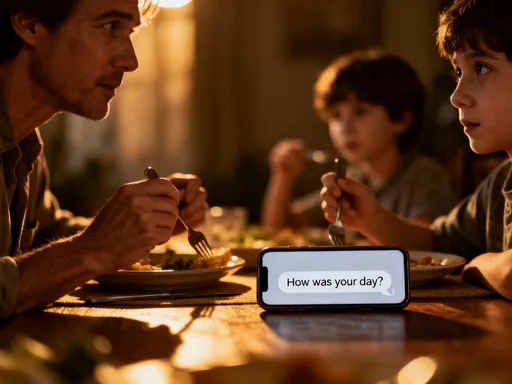
Imagine starting a “mealtime video” tradition. Every Sunday at noon, your family turns on the tablet during lunch. Your mom sees her grandchildren laughing, your dad watches you cook his favorite stew. She doesn’t have to travel. He doesn’t have to wait for a visit. They’re right there, at the table, even from miles away. That regular rhythm creates stability. It becomes something they look forward to—a small anchor in their week.
Or consider the digital calendar. How many times has your parent missed an appointment or double-booked a visit because they forgot? A shared family calendar, synced across phones and a smart display, can change that. With color-coded events and gentle voice reminders—“Doctor’s appointment tomorrow at 10 a.m.”—they feel more in control. And you feel more at ease, knowing they won’t miss something important.
Then there’s photo sharing. A grandmother receives a notification: “New photo from Sarah!” She taps the screen and sees her 5-year-old granddaughter holding a handmade card that says, “I love Nana.” That image stays on her screen all day. She shows it to her neighbor. She smiles every time she walks by. These moments don’t require a tech genius. They just require a few simple tools used with love.
Another quiet win? Audio messages. Not everyone feels comfortable on video. But a 30-second voice note from a grandchild saying, “Hi, Nana! I rode my bike today!” can brighten an entire afternoon. Apps like WhatsApp or Voice Memos make this easy. And for seniors with vision issues, hearing a familiar voice can be even more comforting than seeing a screen.
Overcoming Fears: Addressing Privacy, Confusion, and Resistance
It’s completely normal for older adults to feel hesitant about technology. You might hear things like, “I’ll mess it up,” or “What if someone steals my information?” These fears aren’t irrational—they’re rooted in real concerns. And the best way to help isn’t to dismiss them, but to listen and respond with care.
Privacy is a big one. Stories about scams and data breaches are everywhere. So take the time to explain, in simple terms, how their device is protected. Show them how to recognize safe apps. Set up strong passwords together—maybe even write them down in a secure place if that helps. Use trusted platforms with clear privacy settings. And remind them: you’re there to help if anything feels off. “If a message looks strange, just call me. We’ll figure it out together.”
Confusion is another barrier. The digital world moves fast, and it’s okay not to know everything. Create a “no-judgment zone” where asking the same question five times is perfectly fine. Keep instructions simple. Use printed guides with large text and pictures—like a one-page cheat sheet that says, “To call Mom: Press the green video icon.”
And for those who resist, meet them where they are. Instead of saying, “You need this,” try, “This helped me feel closer to you. Would you be open to trying it?” Share your own feelings. “I miss seeing your face. This could help us feel a little closer every day.” That kind of honesty opens hearts more than any tech feature ever could.
Remember, resistance often comes from fear of failure. Reassure them: mistakes are part of learning. If they accidentally mute the call, it’s okay. If they forget how to start a video, you’ll help. This isn’t about perfection. It’s about connection.
A Future Where Care Is Connected, Calm, and Full of Joy
When we use technology with intention, it stops being just a tool and becomes a bridge. A bridge between generations. Between homes. Between moments of loneliness and moments of belonging. The future of elderly care isn’t about replacing human connection—it’s about expanding it. It’s about making sure that love isn’t limited by distance, that memories aren’t lost to time, and that no one has to eat dinner in silence.
Imagine a world where your mom joins a virtual choir every Thursday and sings hymns with friends from her old church. Where your dad shares his war stories in a veterans’ storytelling group and feels proud of his service all over again. Where your children grow up knowing their grandparents’ voices, faces, and laughter—not just through old photos, but through real, living moments.
That’s the future we can build, one simple click, one shared photo, one video call at a time. And the beauty is, it doesn’t require a tech degree or a big budget. It just requires care, patience, and the willingness to try.
As you think about your own family, ask yourself: What small step can we take this week? Maybe it’s setting up a smart display. Maybe it’s sending the first voice message. Or maybe it’s just sitting down together to talk about what connection means to both of you.
Because at the end of the day, technology doesn’t replace love. It carries it. And when used with heart, it can make aging not a season of loss, but a chapter of continued closeness, growth, and joy. You’re not just giving your parent a device. You’re giving them a voice. A presence. A place at the table—where they belong.